
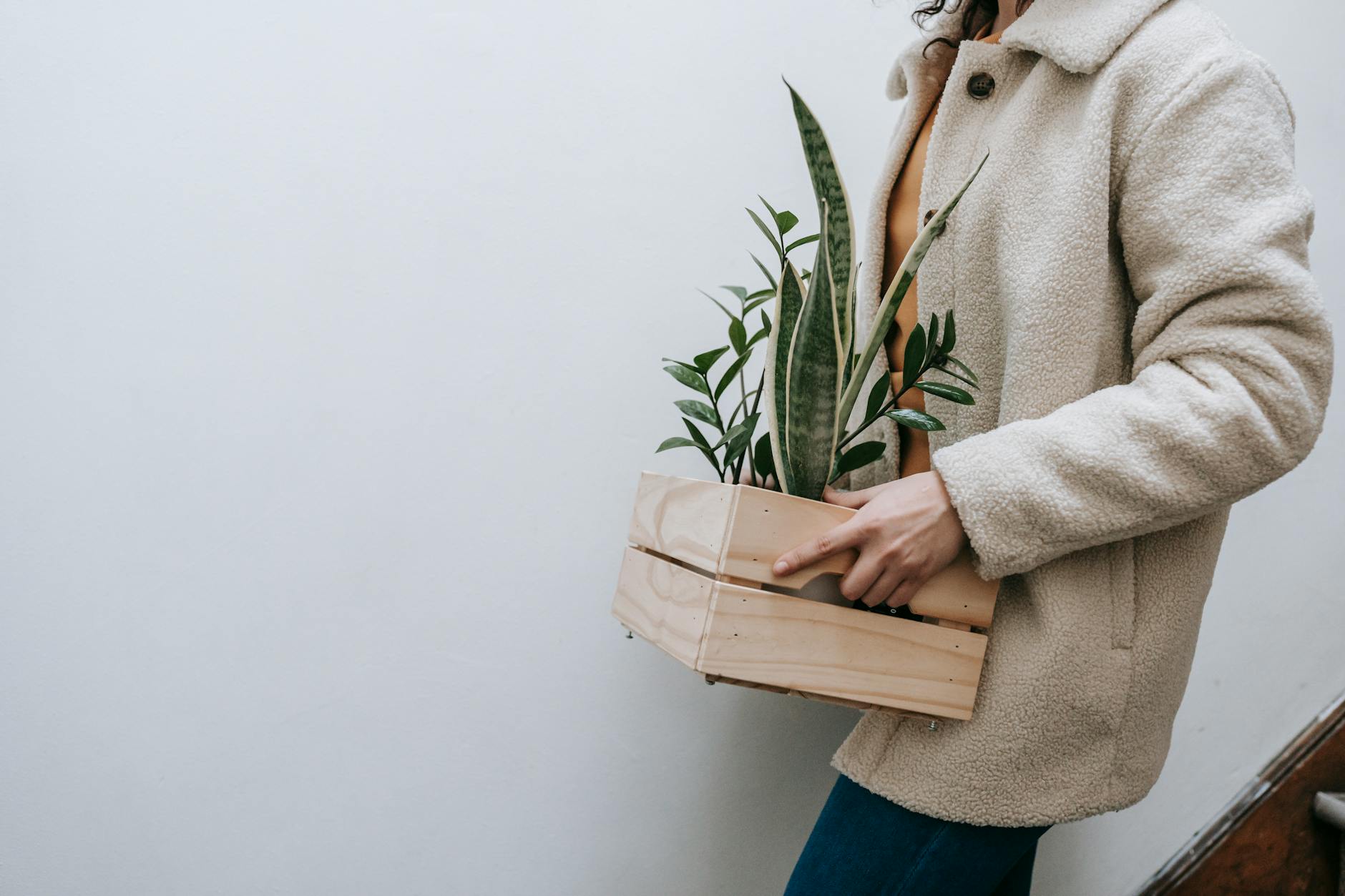

Most moving guides treat plants as an afterthought — a footnote tucked between “what movers won’t transport” and “how to pack fragile items.” That’s a problem, because plant people know what their collection actually represents: years of growth, sentimental value, and in some cases hundreds or thousands of dollars in rare specimens that can’t simply be replaced with a trip to a garden center.
The challenge is real. Plants are among the most difficult household items to move. Moving with plants takes careful planning and preparation. They’re fragile, they’re alive, they’re often large and oddly shaped, most professional movers refuse to transport them, and they’re subject to state agricultural regulations that can result in confiscation at the border if you don’t do your homework in advance. According to the American Horticultural Society, Americans spend over $50 billion annually on plants and gardening — yet most people have no plan for their plant collection when it comes time to move.
This guide covers everything: which plants can realistically make the move, which states have restrictions, how to prepare plants for transport, how to keep them alive during transit, and how to get them established at the new home.
The First Decision: What Are You Actually Moving?
Before you spend hours preparing your plant collection for a cross-country move, have an honest conversation about what’s worth taking. Plants that have been in the family for generations or are genuinely difficult to replace are worth the effort. A collection of common pothos and snake plants that you could repurchase for $15 each at the destination is probably not.
The practical filter for deciding what to move:
Move these:
- Plants with significant sentimental value (a cutting from a grandmother’s garden, a plant you’ve grown from seed over years)
- Rare or difficult-to-find specimens that represent real replacement cost
- Plants that have adapted to your specific care routine and would take years to develop again
- Established trees or shrubs in containers that would cost $200+ to replace
Seriously consider leaving these:
- Common, inexpensive houseplants readily available at any garden center (pothos, philodendrons, basic succulents)
- Very large plants that would require a specialized vehicle to transport safely
- Plants with known pest or disease issues — don’t move problems to a new home
- Plants that are poorly suited to the destination climate
Give away before the move: Facebook Marketplace, Nextdoor, and local plant swap groups are active in most cities. A healthy collection of common houseplants can often find new homes within days of posting. What you can’t give away can often be donated to schools, libraries, or community centers.
State Agricultural Regulations: The Research You Must Do Before You Move
This is the most important section in this guide for anyone making an interstate move, and the one most people skip entirely. State departments of agriculture restrict the importation of certain plants, soils, and plant materials to prevent the spread of invasive species and agricultural pests. Getting caught at an agricultural inspection station with prohibited plants can result in those plants being confiscated and destroyed on the spot — no exceptions, no appeals.
States with the most rigorous agricultural inspection programs:
California maintains the most comprehensive inspection network in the country. The California Department of Food and Agriculture operates 16 permanent border protection stations on major highways entering the state. Prohibited items include certain fruit trees, plants in soil containing specific pests, and plants from regions with known agricultural threats. California requires that all nursery stock entering the state have a valid nursery certificate. Soil itself is a common point of confiscation — many plants must be bare-rooted (soil removed, roots exposed) before crossing.
Arizona, Florida, and Hawaii have similarly strict programs. Hawaii is the most restrictive state in the union for plant importation due to its unique ecosystem vulnerability. The Hawaii Department of Agriculture restricts or prohibits dozens of plant species entirely and requires inspection of all plant material entering the state. If you’re moving to Hawaii, contact the Hawaii Department of Agriculture at hdoa.hawaii.gov at least 60 days before your move to understand what you can and cannot bring.
How to check regulations for your specific move:
- Identify the state(s) you’ll be crossing (not just your destination — some regulations apply at the border of a state you’re driving through)
- Search “[destination state] department of agriculture plant importation” for the official state agency website
- Call the state department of agriculture directly if you have unusual or rare species — websites aren’t always current and staff can give you definitive answers
- Check the USDA’s Plant Protection and Quarantine (PPQ) program for any federally regulated plants at aphis.usda.gov
The soil question. Many states restrict or prohibit the importation of soil regardless of what’s growing in it. This affects all potted plants. The practical solution for long-distance moves: repot plants into fresh, commercially bagged potting mix before crossing state lines, and rinse roots if you’re moving into a highly restrictive state. Document the fresh potting mix with a receipt if you’re crossing into California or Hawaii.
What Professional Movers Will and Won’t Do
Before you build a plant transport plan, understand the professional moving industry’s position clearly: most moving companies will not transport plants for liability and regulatory reasons.
The Household Goods Carriers’ Bureau excludes plants from standard liability coverage because:
- Plants can die from temperature extremes in an enclosed truck over 24+ hours
- Soil can spill and damage other household goods
- Plants carry agricultural risk that creates potential regulatory liability for the carrier
What this means practically:
For local moves (under 50 miles), some movers will transport plants as a courtesy if you ask specifically and pack them yourself. There’s no formal liability coverage, but for a 3-hour move in moderate weather, the risk is minimal. Confirm this with your mover before moving day — don’t assume.
For long-distance moves, plants are almost universally excluded. A cross-country truck may take 5–7 days in transit; plants in an unventilated, unlit, temperature-variable truck for that duration will not survive.
Your options for long-distance plant transport:
- Your personal vehicle — the most controllable option; works well for collections of 20 or fewer plants
- Mailing plants — USPS, FedEx, and UPS all ship plants under specific conditions (more on this below)
- Specialty plant shipping services — commercial nurseries and specialty shippers have developed plant-specific packaging for long-distance transit
- Leave them and replace at the destination — the lowest-stress option for common species
Preparing Plants for the Move: The 3-Week Timeline
Plants that have been properly prepared before a move survive far better than those that are hastily packed on moving day. Start this process 3 weeks out.
3 Weeks Before the Move: Assessment and Pruning
Walk through your plant collection and evaluate each one honestly. This is the time to:
Prune aggressively. A smaller plant is a more transportable plant. Prune plants to a manageable size — generally 30–40% of their current size — and remove any dead, diseased, or damaged growth. This also reduces the plant’s water requirements during the stress of transit.
Identify and treat any pest or disease issues. Do not move infested plants. A plant with spider mites, fungus gnats, mealybugs, or scale will spread those pests to your new home and potentially to neighboring gardens or agricultural areas. Treat aggressively now; if the infestation can’t be resolved in three weeks, leave the plant behind.
Repot if needed. If a plant is severely root-bound, moving stress will hit it harder. Repot into fresh potting mix (without added fertilizer, which can stress a plant that’s already dealing with transit shock). This is also the time to switch to plastic pots if you’re moving glass, ceramic, or terra cotta — heavy and breakable containers are a liability during transport.
Stop fertilizing. Fertilizer encourages new, tender growth that’s more vulnerable to transit damage. Stop fertilizing all plants 3–4 weeks before the move.
2 Weeks Before: Acclimation and Hardening
If your plants have been living in ideal conditions — stable indoor temperature, consistent watering, grow lights — they’ll be more shocked by the disruption of transit. Begin gradually acclimating them.
Move plants away from ideal conditions slightly. Reduce watering frequency by about 25%. If using supplemental lighting, begin reducing light hours. This slows growth and makes the plant more resilient to stress.
Transition outdoor plants gradually. If you’re moving outdoor plants indoors for transport, bring them in for progressively longer periods over two weeks. A plant that has lived in full sun cannot be boxed up and placed in a dark truck without preparation.
1 Week Before: Container Check and Watering Adjustment
Switch to lighter containers if you haven’t. Terra cotta and ceramic are beautiful but heavy and breakable. For the move, transfer plants to plastic nursery pots if the collection is large. You can repot back into decorative containers at the new home.
Water deeply 2–3 days before moving day — not the day before. Plants moved when soggy are more vulnerable to root rot during transit; plants moved bone-dry are stressed by dehydration. The goal is evenly moist (not wet) soil at transport time.
Plastic bag the soil for messy movers. For plants in soil that could spill, wrap a plastic bag around the base of the stem and secure it around the pot rim with a rubber band. This contains soil during tilting and movement without restricting the plant.
Packing Plants for Transport
The specific packing approach depends on whether you’re loading plants into your car, boxing them for shipping, or preparing them for a short move in a mover’s truck.
Packing for Car Transport
The goal is stability and light exposure.
Box them for taller plants. Use sturdy cardboard boxes slightly taller than the plant. Cut ventilation holes in the sides — at least 4 to 6 holes on each side of the box. Place the pot in the bottom of the box, pack crumpled newspaper or packing paper around the base to prevent tipping, and fold the box flaps loosely over the plant or cut the flaps off for taller plants that extend above the box. Label every box LIVE PLANTS — FRAGILE on multiple sides.
Keep small plants in open trays. For small potted plants, a shallow cardboard tray (like a beer flat from a grocery store) holds multiple plants upright and can be moved as a unit. Line the tray with a plastic bag to contain any soil or water.
Protect leaves during loading and unloading. Large-leafed plants (fiddle leaf figs, monstera, bird of paradise) can be wrapped loosely in kraft paper or a plastic dry-cleaning bag for loading — just enough to protect the leaves during the physical movement through doorways and into the vehicle. Remove the wrapping once plants are loaded.
Load plants last, unload first. Plants should be the last items loaded into your vehicle and the first unloaded at the destination. They need light and air; every hour they’re sealed in a dark cargo space is additional stress.
Never put plants in the trunk of a sealed car for any extended period. Carbon dioxide buildup and heat accumulation in a sealed trunk can kill plants within hours in warm weather. The back seat, rear of an SUV with the cargo cover removed, or a van with windows are all better options.
Packing for Shipping
Shipping plants successfully requires species-appropriate packaging. The general principles:
Bare-root shipping for dormant or small plants. Remove soil from roots, wrap the roots in slightly moist sphagnum moss or paper towels, seal the root ball in a plastic bag, and place the plant in a box with the roots at the bottom and the foliage loosely wrapped. Bare-root shipping exposes roots to air but eliminates the weight and spillage risk of soil.
Potted plant shipping for larger specimens. Use double-walled boxes sized to the plant. Secure the pot by cutting pot-sized holes in a piece of cardboard placed at the bottom of the box; the pot sits in the hole and can’t tip. Crumple newspaper or packing paper tightly around the pot. Do not pack other items in a box with plants — the weight risk is too high.
Shipping timing. Ship plants on a Monday or Tuesday — never on a Thursday or Friday, when packages may sit in a warehouse over a weekend. Choose 2-day shipping as a maximum transit time for most plants. In winter, use heat packs; in summer, avoid shipping during heat waves. Include a note inside the box that says LIVE PLANT – PLEASE KEEP UPRIGHT.
USPS, FedEx, and UPS plant shipping. All three carriers accept plant shipments under their standard terms, with certain restrictions on internationally regulated species. USPS Priority Mail is a cost-effective option for many plant shippers. FedEx and UPS offer 2-day options with better tracking. None of these carriers accept plants regulated by USDA or state agriculture departments without appropriate permits.
Keeping Plants Alive During the Move
Temperature Is the Primary Enemy
The single greatest threat to plants during a move is temperature extremes. Most common houseplants die or suffer severe damage when exposed to temperatures below 50°F or above 95°F for extended periods.
In summer: Never leave plants in a closed car in warm weather. On a 90°F day, a car interior can reach 160°F within 20 minutes. If you stop for a meal, take the plants out of the car or park in full shade with windows cracked. Loading and unloading windows of 30 minutes or less are generally safe; anything longer in extreme heat requires intervention.
In winter: Cold is equally dangerous. Many tropical houseplants (most common houseplants are tropical in origin) suffer cellular damage below 50°F and die below 40°F. In cold weather, wrap plants in moving blankets or bubble wrap for transport between the house and the vehicle. Warm the car before loading plants into it; don’t transport plants in an unheated van in winter if you can avoid it.
The 30-minute rule for box transit. A plant in a sealed cardboard box is depleting oxygen and accumulating carbon dioxide. In temperatures above 70°F, limit sealed boxing to 30 minutes or less. If the move will take longer, cut ventilation holes — a box with four 3-inch holes on each side provides adequate air exchange for most small plants.
Light Deprivation
Plants can survive 2–3 days of darkness without permanent damage in most cases — they simply slow their photosynthesis and metabolism. For moves longer than 3 days, consider:
- Placing plants near windows when staying in a hotel
- Unpacking the most light-dependent plants (succulents, herbs, cacti) and placing them in a window each night before repacking in the morning
- Accepting that some light-sensitive plants will show temporary yellowing that resolves after several weeks in good light at the new home
Watering During Transit
Most plants should not be watered during transit except on very long moves. Wet soil in a sealed box creates conditions for root rot and mold. If you’re driving 3+ days, water very lightly — enough to moisten the top inch of soil — every other day. Plants are resilient; they prefer slight underwatering during the stress of moving to overwatering.
Outdoor and Garden Plants
Moving outdoor plants requires additional consideration beyond what applies to houseplants.
Containerized Plants
Outdoor container plants (potted trees, shrubs, large potted perennials) can be moved similarly to houseplants but require planning for their weight. A large olive tree in a terra cotta pot can weigh 200+ pounds. Assess whether the specimen is worth the effort of safe transport before committing to it.
For the actual transport: place large containers in the bed of a pickup truck with the plants upright, secured with ratchet straps so they can’t tip. Moving blankets around the pots prevent rolling and protect the containers. If using a moving truck, large container plants should be loaded against a wall with straps to prevent tipping.
In-Ground Plants: What Can Be Moved
Some in-ground plants are movable; most aren’t. The practical criteria:
Good candidates for transplanting:
- Small shrubs under 3 feet tall that have been in the ground 1–2 years or less
- Perennial clumps that can be divided (hostas, daylilies, ornamental grasses)
- Bulbs (tulips, daffodils, alliums) that are dormant or finishing their seasonal cycle
- Young trees under 6 feet tall with a single, manageable root ball
Poor candidates:
- Established trees (generally anything over 6–8 feet tall)
- Mature shrubs with extensive root systems
- Plants that are actively blooming or fruiting
- Plants that were recently transplanted
Transplanting process for viable candidates:
- Water deeply 2–3 days before digging
- Dig a generous root ball — at minimum, the width of the plant’s canopy; for shrubs, a root ball of 12–18 inches diameter for every inch of trunk diameter
- Move the plant into a container with moist potting mix immediately — don’t leave roots exposed to air
- Keep the root ball moist and the plant shaded for several days before the move
- Prune the top growth by 20–30% to compensate for the root loss that inevitably occurs during digging
- Water thoroughly after transplanting at the new location and again every 2–3 days for the first 4 weeks
Settling Plants Into the New Home
The work doesn’t end when you arrive. How you introduce plants to their new environment determines how quickly they recover from the stress of the move.
Don’t rush to find their permanent spots. Set all plants in a low-light holding area first — a garage with some natural light, a shaded porch, a spare room. Give them 48–72 hours to settle before placing them in their final location. Moving directly from a box into bright, direct sun can cause sunburn and additional shock on top of transit stress.
Gradual reintroduction to light. For plants that have been in dark conditions for more than 24 hours, reintroduce to normal light levels gradually over 3–5 days. This is especially important for succulents and other high-light plants that are most sensitive to sudden light changes.
The quarantine period. Any plant that traveled from a different region should be quarantined — kept separate from any existing plants you have — for 2–4 weeks. This gives you time to observe for hitchhiking pests (spider mites, mealybugs, fungus gnats) that might not have been visible before the move but can spread to your other plants.
Expect some decline before improvement. Almost every plant drops leaves, yellows somewhat, or looks rough for 2–6 weeks after a move. This is normal. The plant is redirecting energy from growth and maintenance to stress response. Resist the urge to fertilize — fertilizing a stressed plant pushes growth it can’t support. Resume normal fertilization 6–8 weeks after the move once the plant shows new growth.
Water based on the plant’s needs, not a schedule. Your new home’s humidity, temperature, and light levels will all be different from what you left. The watering schedule that worked before may not work here. Learn the new environment for 2–3 weeks before settling into a watering routine. Check soil moisture by feel (1–2 inches deep) rather than by calendar.
Your Checklist for Moving with Plants
3 weeks before the move:
- [ ] Plant collection audited — decisions made on what moves, what’s given away
- [ ] State agricultural regulations checked for destination and crossing states
- [ ] Pest and disease issues identified and treatment begun
- [ ] Aggressive pruning completed to reduce size and water needs
- [ ] Fertilizing stopped for all plants being moved
2 weeks before:
- [ ] Repotting completed for root-bound specimens; fresh potting mix used
- [ ] Heavy/fragile containers switched to plastic nursery pots where appropriate
- [ ] Outdoor plants being moved to containers dug and potted
- [ ] Outdoor plants being moved inside acclimation process started
- [ ] Fertilizing confirmed stopped
1 week before:
- [ ] Watering frequency reduced by 25%
- [ ] Plastic bags secured around pot rims to prevent soil spillage
- [ ] Boxes collected (specifically: ventilation holes cut in any boxes for plant transport)
- [ ] Soil moist but not waterlogged confirmed 2–3 days before moving day
Moving day:
- [ ] Plants loaded last into vehicle
- [ ] Plants kept out of sealed car trunk
- [ ] Temperature monitoring in vehicle (below 95°F; above 50°F for tropicals)
- [ ] Pet-friendly hotels or overnight stops confirmed as plant-accessible
At the new home:
- [ ] Holding area set up before plants arrive
- [ ] Quarantine period of 2–4 weeks planned for any plants from different regions
- [ ] Normal fertilizing calendar suspended for 6–8 weeks
- [ ] Gradual light reintroduction plan for plants that traveled in darkness
The Bottom Line: Move the Plants That Matter, Let Go of the Rest
The plants worth moving are the ones that can’t be replaced — the ones with history, the rare specimens, the long-established trees in containers that you’ve tended for years. For everything else, the math often favors starting fresh. The cost of moving common houseplants across the country — in time, effort, packing supplies, and state compliance research — often exceeds the cost of simply replacing them at the destination.
Be ruthless about what makes the cut. Give away generously. Move the irreplaceable with care. And give everything that travels with you the time and stability to settle into its new home before expecting it to thrive.
About the Author
For the past five years, I’ve owned and operated a moving and portable storage company, helping real people navigate one of the most stressful experiences there is—moving.
I’ve seen it all: last-minute packing chaos, broken boxes, missed timelines, and way too much bad advice online.
That’s exactly why I created Home Moving Secrets.
This site is built to give you simple, practical, no-BS moving advice that actually works—from packing smarter and saving money to staying organized from start to finish.
Everything here is based on real-world experience, not guesswork.
My goal? To help you move smarter, stress less, and feel in control every step of the way.
Last reviewed: May 2026
Want our FREE moving guide? Subscribe to our email list.
Looking to learn more about our Ultimate Moving Planner Bundle?
The stress-free, step-by-step system to plan your move in hours—not weeks.
Moving is overwhelming…boxes everywhere, deadlines piling up, utilities to transfer, address changes to remember, and a million tiny tasks you know you’re forgetting.
But it doesn’t have to feel like chaos.
The Ultimate Moving Planner Bundle is your complete AI-powered moving system that turns your entire move into a simple, organized, step-by-step plan—customized to your exact situation.
Are You a Moving Company?
Want more customers like the ones reading this?
We created a simple AI-powered system that helps moving companies:
- Generate more local leads
- Book more jobs
- Improve their online presence